Hoi An Food Guide: Cao Lau, Banh Mi & Where to Eat
Hoi An food is built around a handful of dishes you will not find done the same way anywhere else: cao lầu (chewy pork noodles), bánh mì, cơm gà (chicken rice), white rose dumplings and mì Quảng. Most cost about 30,000–70,000 VND (US$1.20–2.80) at long-running local eateries in and around the Ancient Town, now part of Da Nang city.
Status (checked October 2026): Since 1 July 2025 Hoi An has been part of Da Nang city (wards Hoi An, Hoi An Dong and Hoi An Tay). October to December is flood season: riverside stalls on Bach Dang and the An Hoi night market can close at short notice when the Thu Bon River rises, as it did during the record flood of late October 2025, so keep an indoor option in reserve.
Key takeaways:
- Must-eat dishes: cao lầu, bánh mì, cơm gà, white rose dumplings (bánh bao bánh vạc), mì Quảng and crispy fried wontons.
- Street-food dishes cost about 25,000–70,000 VND; a sit-down Vietnamese dinner in the old town is about 150,000–350,000 VND per person.
- Eat breakfast early: the best bánh mì, chicken rice and noodle stalls are busiest from about 6:30 to 9:00.
- Hoi An is a small-town food scene; Da Nang’s Michelin-listed restaurants are 40–60 minutes away by car.
- Vegetarian (chay) food is easy to find; halal options are limited, so plan ahead.
Hoi An Food at a Glance
| Signature dishes | Cao lầu, bánh mì, cơm gà, white rose dumplings, mì Quảng, fried wontons, bánh xèo |
|---|---|
| Street-food price | About 25,000–70,000 VND (US$1–2.80) per dish |
| Restaurant meal | About 150,000–350,000 VND (US$6–14) per person in the old town |
| Fine dining | Resort restaurants from about 800,000 VND (US$32) per person |
| Best food streets | Phan Chau Trinh, Tran Cao Van, Tran Phu, Nguyen Hoang (An Hoi night market), Hoi An Market area |
| Breakfast hours | About 6:00–9:30 for noodle and chicken-rice stalls |
| Night market | Nguyen Hoang Street, An Hoi islet, from late afternoon until about 22:00 |
| Local drink | Nước mót herbal lemon tea, Vietnamese iced coffee, local craft beer |
| Cooking classes | About US$30–60 per person including market visit and lunch |
| Payment | Cash (VND) at stalls; cards and QR at most restaurants |
| Flood season | Roughly October–December; riverside eateries may close for a few days |
What Food Is Hoi An Famous For?
Hoi An is famous for cao lầu, its own version of bánh mì, chicken rice and the white rose dumplings that only one family business makes. The town’s centuries as a trading port, with Chinese, Japanese and Vietnamese merchants, show up on the plate.
1. Cao lầu – Hoi An’s signature noodles
Cao lầu is a bowl of thick, chewy, slightly yellow rice noodles with slices of char siu-style pork, fresh herbs, bean sprouts, crunchy fried noodle squares and only a few spoonfuls of rich sauce. According to local tradition (see cao lầu on Wikipedia), the noodles must be made with water from the Ba Le well and alkaline ash, which gives them their bite. You will find cao lầu on almost every menu in town for about 35,000–60,000 VND. Mix everything well, add a squeeze of lime and a little chilli. Try it in the stalls around Hoi An Market or in old-town family restaurants.
2. Bánh mì – Hoi An’s famous sandwich
Hoi An bánh mì uses a light, crackly baguette filled with pâté, cold cuts, roast or grilled pork, egg, pickles, herbs and a spicy house sauce. The two best-known names are Bánh Mì Phượng (2B Phan Chau Trinh), made world-famous by Anthony Bourdain, and Madam Khanh – The Banh Mi Queen (115 Tran Cao Van), now run by her family. Expect about 30,000–45,000 VND per sandwich and queues at peak times.
3. Cơm gà – Hoi An chicken rice
Hoi An chicken rice is rice cooked in chicken stock with turmeric, topped with shredded free-range chicken, papaya and onion salad, Vietnamese mint and a bowl of broth on the side. A plate costs about 40,000–60,000 VND. Cơm Gà Bà Buội at 22 Phan Chau Trinh is the long-running favourite; arrive before midday as it can sell out.
4. White rose dumplings (bánh bao bánh vạc)
White rose dumplings are translucent rice-flour wrappers pinched into a flower shape around minced shrimp or pork, steamed and topped with crispy shallots, served with a sweet-sour dipping sauce. They are made by one family-run business, White Rose Restaurant (Hoa Hồng Trắng) on Hai Ba Trung Street, which supplies many restaurants in town. A plate costs about 60,000–80,000 VND.
5. Mì Quảng – the regional noodle dish
Mì Quảng is the noodle dish of the former Quang Nam province: flat turmeric rice noodles with a small amount of intensely flavoured broth, pork, shrimp or chicken, peanuts, herbs and a sesame rice cracker. A bowl costs about 30,000–50,000 VND. It is also central to the Da Nang food scene.
6. Hoành thánh chiên – crispy fried wontons
Hoi An’s fried wontons are large, crunchy wonton sheets topped with a sweet-sour sauce of tomato, pork, shrimp and vegetables, closer to a snack than a soup dumpling. A plate costs about 50,000–80,000 VND and is on most old-town menus.
7. Bánh xèo and grilled pork rolls
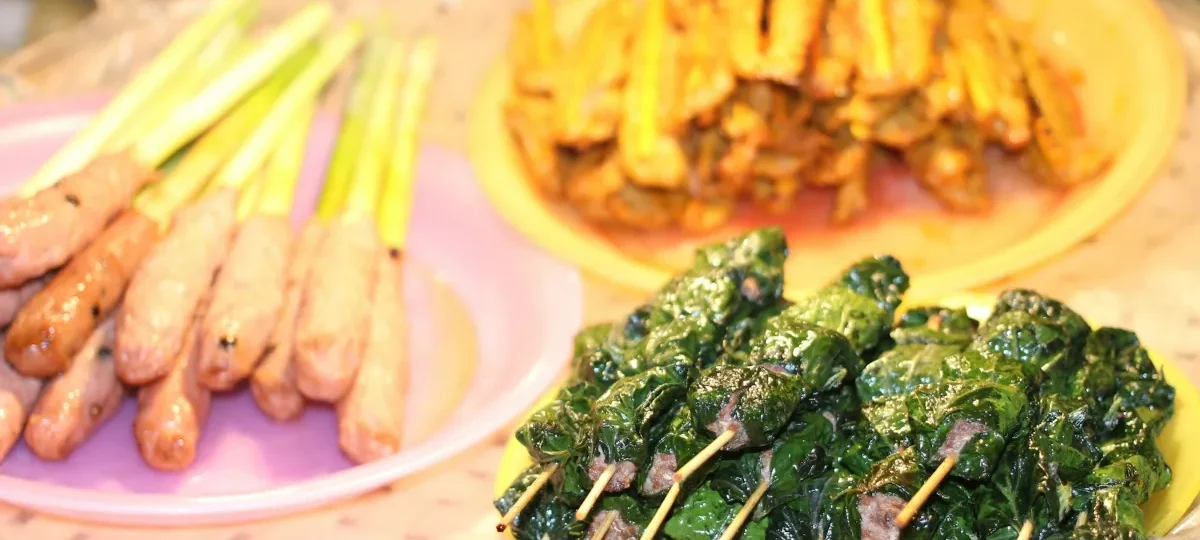
Bánh xèo are small crispy rice pancakes with shrimp and pork, rolled in rice paper with herbs and dipped in peanut sauce. Grilled pork skewers (thịt nướng) wrapped in rice paper are sold along the river and in the night market. Expect about 50,000–100,000 VND for a set.
8. Bánh đập and hến xào
Bánh đập (“smashed rice cake”) is a crisp sesame rice cracker sandwiched with a soft steamed rice sheet, eaten with fish sauce; it is often paired with stir-fried baby clams (hến xào) in the villages around Cam Nam. A portion is about 20,000–40,000 VND.
9. Chè and sweet soups
Chè is a family of sweet soups and puddings made with beans, sticky rice, coconut milk, jelly and fruit, sold by street vendors and small shops for about 15,000–30,000 VND a cup. Look for chè bắp (sweet corn) and chè đậu xanh (mung bean).
How Much Does Food Cost in Hoi An?
Local food in Hoi An is still good value: most travellers eat very well on about 400,000–700,000 VND (US$16–28) per person per day. Prices inside the Ancient Town are a little higher than in the outer wards.
| Item | Typical price (VND) | Approx. USD |
|---|---|---|
| Bánh mì | 30,000–45,000 | US$1.20–1.80 |
| Cao lầu or mì Quảng | 30,000–60,000 | US$1.20–2.40 |
| Cơm gà (chicken rice) | 40,000–60,000 | US$1.60–2.40 |
| White rose dumplings (plate) | 60,000–80,000 | US$2.40–3.20 |
| Vietnamese iced coffee | 20,000–50,000 | US$0.80–2 |
| Local beer (bottle) | 20,000–40,000 | US$0.80–1.60 |
| Restaurant dinner, 3 dishes | 150,000–350,000 per person | US$6–14 |
| Cooking class with market tour | About 750,000–1,500,000 | US$30–60 |
Where Should You Eat in Hoi An?
The Ancient Town has the most famous names, the An Hoi islet has the night market, and the beach and village areas offer seafood and quieter farm-to-table meals.
| Area | Best for | What to try |
|---|---|---|
| Ancient Town (Phan Chau Trinh, Tran Cao Van, Tran Phu) | Classic dishes, famous stalls | Bánh mì, cơm gà, cao lầu, white rose dumplings |
| Hoi An Market and Bach Dang riverfront | Cheap breakfast and lunch | Cao lầu, mì Quảng, chè, fresh fruit |
| An Hoi islet night market (Nguyen Hoang) | Evening street snacks | Grilled skewers, bánh xèo, mango pancakes |
| An Bang Beach | Seafood and beach cafés | Grilled fish, clams, squid |
| Tra Que and Cam Thanh | Farm-to-table and cooking classes | Herb pancakes (bánh tam hữu), local greens |
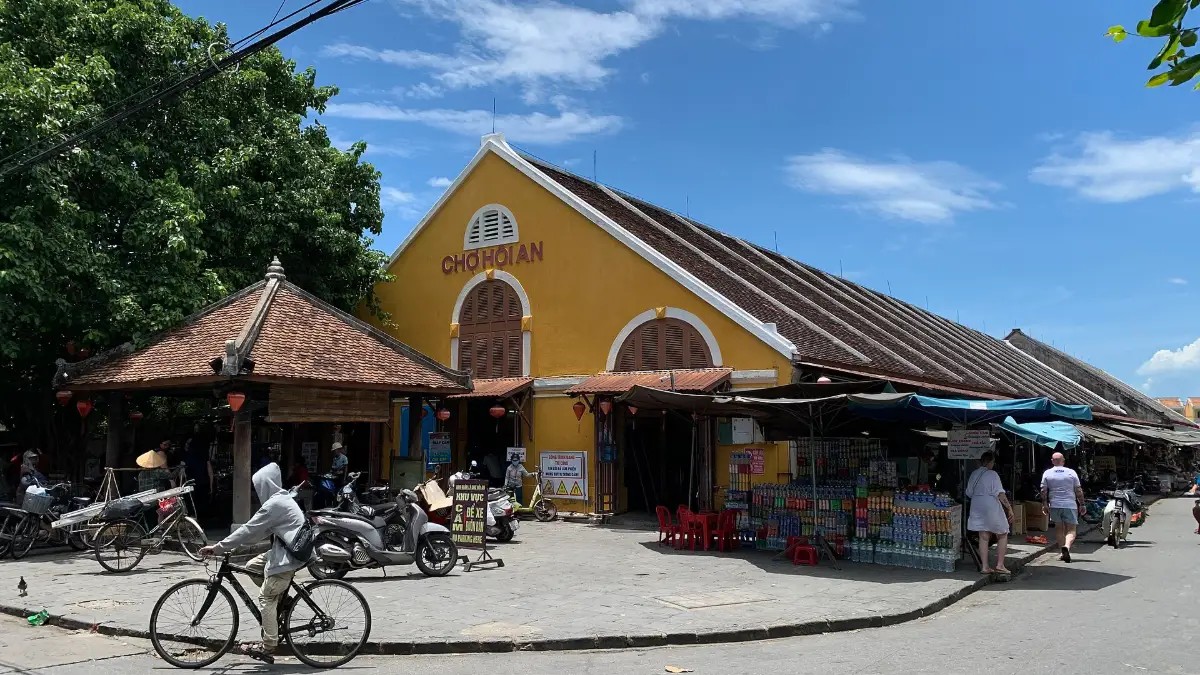
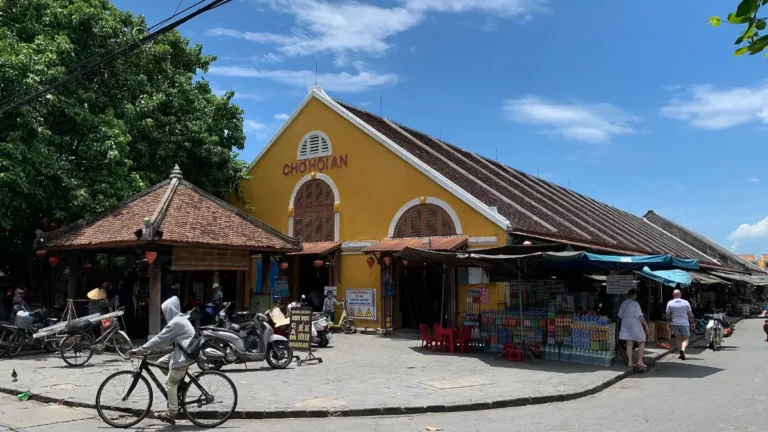
The Hoi An Market food hall is the easiest place to sample several dishes in one go, while a morning at Tra Que Vegetable Village shows you where many of the town’s fresh herbs grow.
What Should You Drink in Hoi An?
Try nước mót, a cooling herbal lemon tea served with lemongrass and cinnamon, and Vietnamese coffee in its many forms, from cà phê sữa đá (iced milk coffee) to coconut coffee and egg coffee.
- Nước mót: sold from small shops on Tran Phu Street for about 15,000–25,000 VND a cup.
- Coffee: riverside and rooftop cafés charge about 30,000–60,000 VND; local street cafés charge less.
- Beer: Larue and Huda are the regional lagers; “bia hơi” draught beer is cheap. Several craft breweries also operate in town.
- Fresh juices and coconuts: about 20,000–40,000 VND.
Is Street Food in Hoi An Safe to Eat?
Yes, street food in Hoi An is generally safe if you follow the usual rules: eat where locals queue, choose food cooked to order and hot, and drink bottled or filtered water.
- Busy stalls turn over food quickly, so ingredients are fresher.
- Ice in cafés and restaurants is usually factory-made; avoid it at very basic roadside stalls if you have a sensitive stomach.
- Fresh herbs come with almost every dish; if your stomach is sensitive, stick to cooked food and peeled fruit for the first few days.
- Prices are rarely posted at smaller stalls: ask first to avoid surprises.
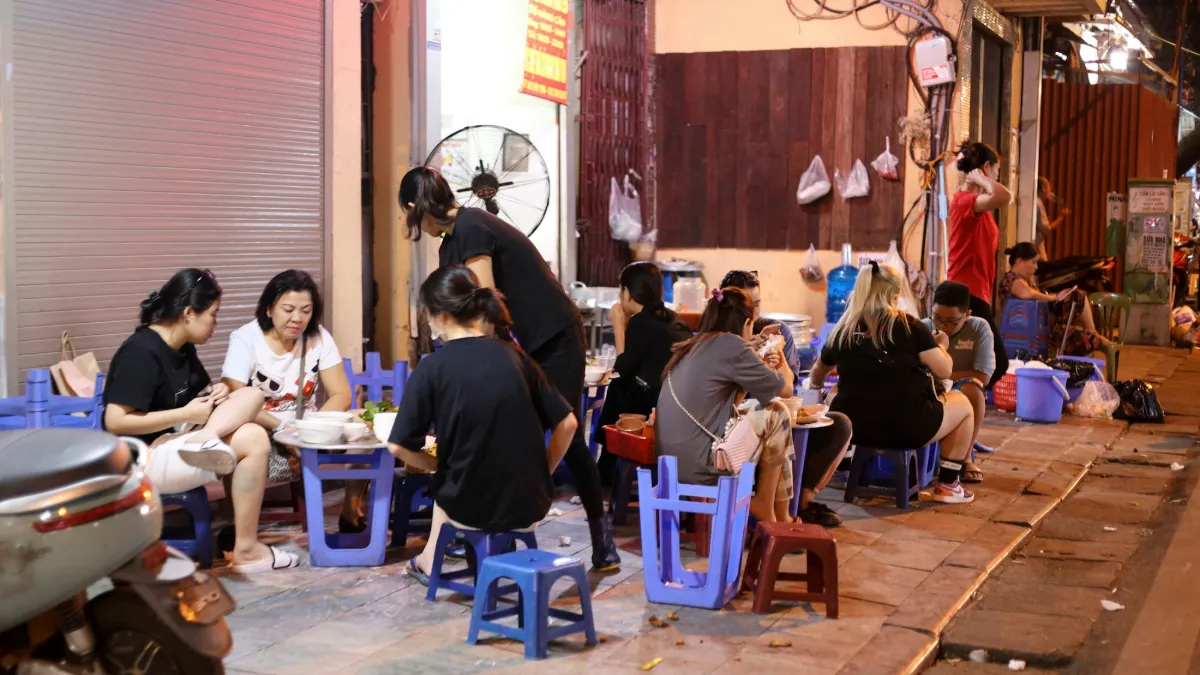
- Sit on the small plastic stools, share tables and use the chopsticks and spoons in the box on the table; wiping them with a napkin is normal.
Can You Find Vegetarian, Vegan or Halal Food in Hoi An?
Vegetarian food is easy to find in Hoi An: look for the word “chay” (vegetarian), which also appears on menus of many old-town restaurants. Halal food is limited, so Muslim travellers should plan meals in advance.
- Vegetarian and vegan: many restaurants offer tofu versions of cao lầu, mì Quảng and white rose dumplings; ask for “không nước mắm” (no fish sauce) if you are vegan.
- Halal: there are a few Indian and Middle Eastern restaurants that advertise halal food, but certification varies; Da Nang has more choice.
- Allergies: peanuts, shrimp paste and fish sauce are common. Carry a card in Vietnamese describing your allergy.
Are There Michelin Restaurants in Hoi An?
The Michelin Guide’s Vietnam selection covers Hanoi, Ho Chi Minh City and Da Nang. At the time of checking we could not confirm any Hoi An addresses in the selection, so the town’s classic stalls and family restaurants remain the best guide to local food.
If you want a Michelin meal, Da Nang’s 2026 selection lists 23 Bib Gourmand addresses and one one-star restaurant, La Maison 1888, about 40–60 minutes’ drive away. See our Da Nang food guide for details.
Should You Take a Food Tour or Cooking Class in Hoi An?
Yes. A food tour or cooking class is one of the best ways to understand Hoi An food, especially on a short stay. Most classes combine a market visit, a boat or bicycle ride and a 3–4 course lunch.
- Street-food walking tours: usually 3–4 hours in the evening, about US$25–45 per person, covering 6–10 tastings.
- Cooking classes: half-day classes in town or in Tra Que village cost about US$30–60, often with a basket-boat ride in the Cam Thanh coconut forest.
- Market breakfast tours: early morning visits to Hoi An Market with cao lầu and bánh mì tastings.
We can include a cooking class or street-food evening in any Hoi An tour.
A One-Day Hoi An Food Itinerary
This simple plan lets you taste the essentials in one day without rushing.
- 7:00 – Bánh mì at Phượng or Madam Khanh, then iced coffee by the river.
- 9:00 – Walk through Hoi An Market; try chè or fresh fruit.
- 11:30 – Cơm gà for lunch before stalls sell out.
- 15:00 – Nước mót on Tran Phu and a stroll across the Japanese Covered Bridge.
- 18:00 – Cao lầu, white rose dumplings and fried wontons in an old-town restaurant.
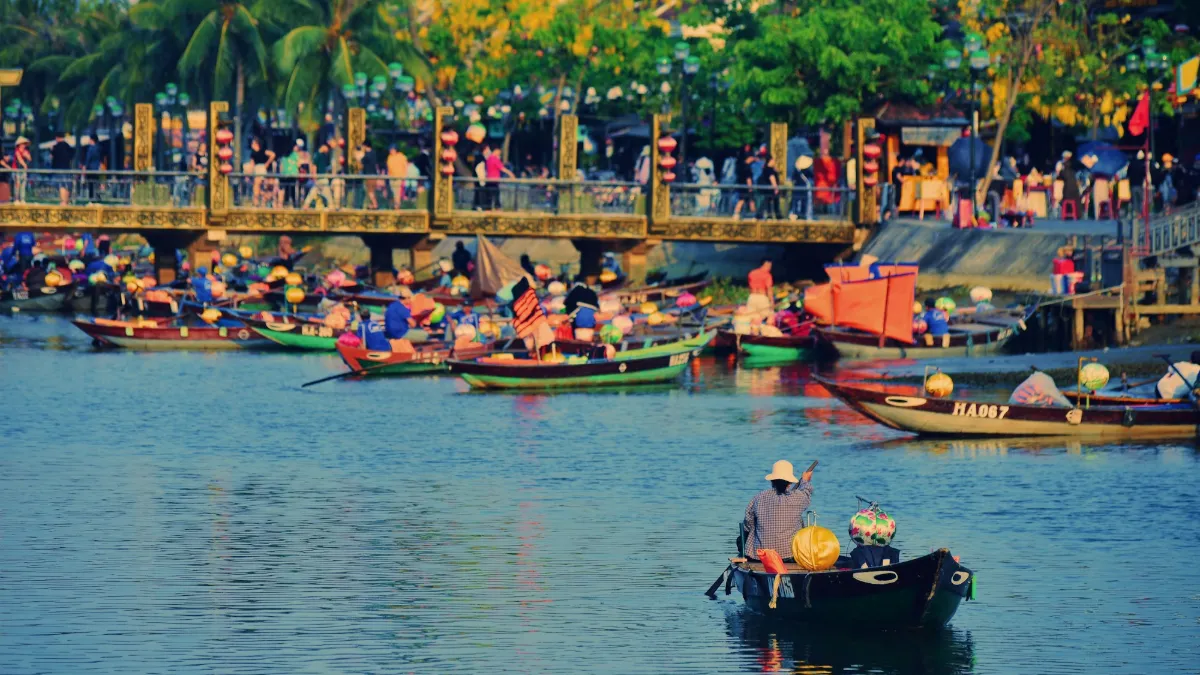
- 20:00 – Grilled snacks in the An Hoi night market among the lanterns.
Local Expert Tips for Eating in Hoi An
These tips come from years of arranging Hoi An tours for international travellers.
- Eat the famous dishes for breakfast and lunch: the top stalls are often sold out by mid-afternoon.
- Walk one or two streets away from the river and prices drop noticeably.
- Order cao lầu and white rose dumplings at the same meal to compare the town’s two most local dishes.
- Carry small notes (10,000–50,000 VND): stalls rarely have change for 500,000 VND notes.
- During flood season (roughly October–December), check whether riverside streets are open before planning a waterfront dinner.
- Book cooking classes a day or two ahead in peak months (February–April and July–August).
- Ask for “ít cay” (less spicy) if you do not like heat; chilli is usually served on the side.
- Combine a beach lunch at An Bang with an old-town dinner for the best of both.
Plan Your Hoi An Trip
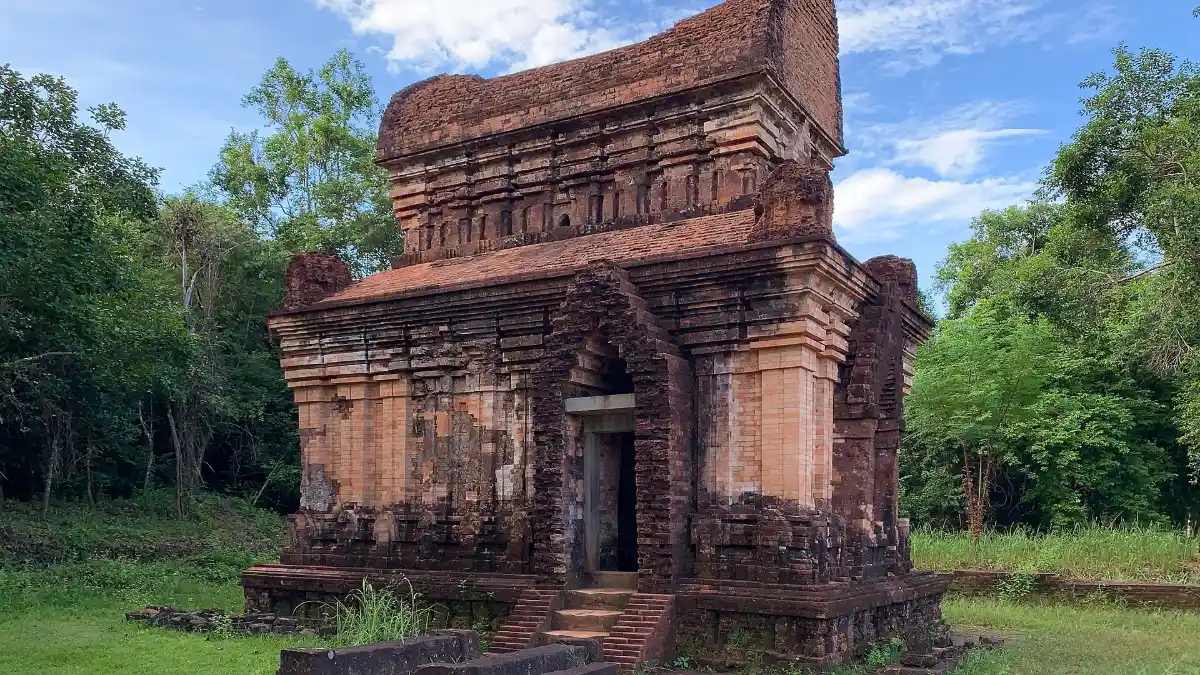
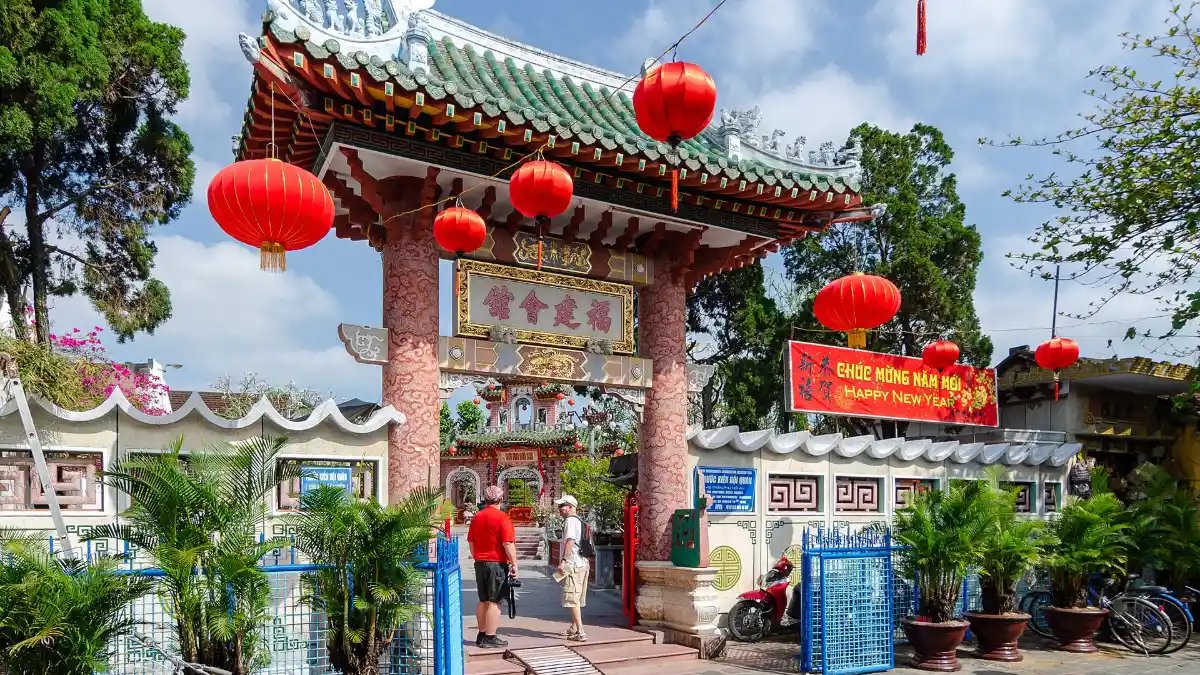
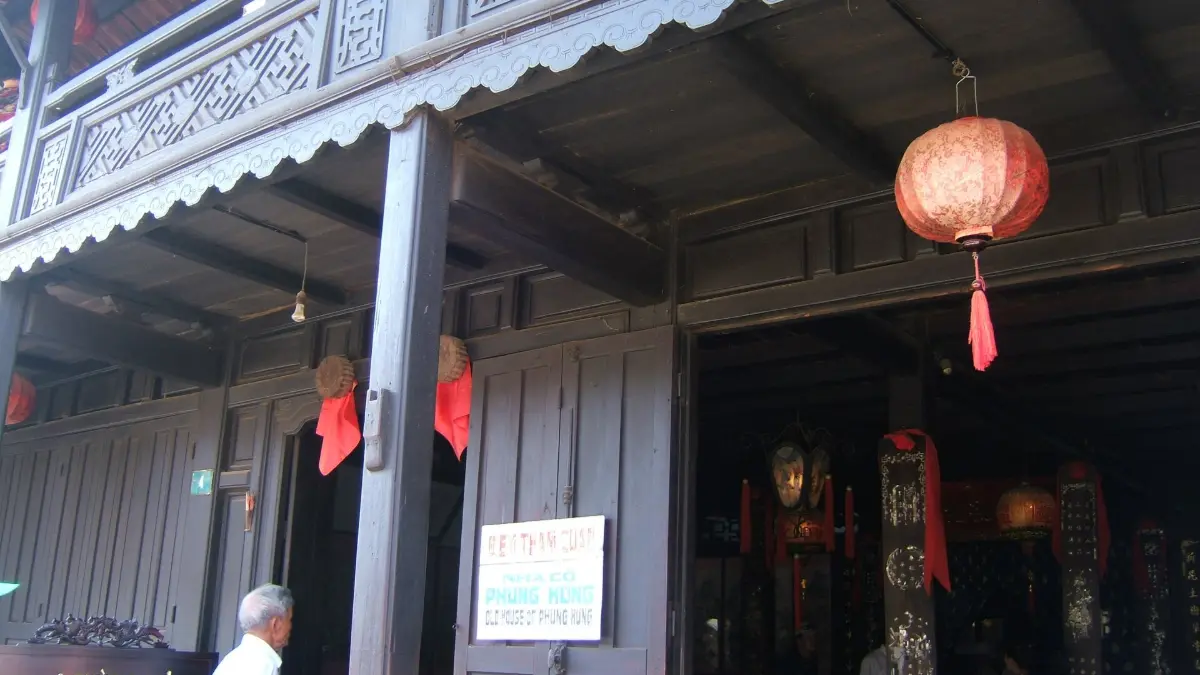
Food is only part of the Hoi An experience. Explore the lantern-lit streets of Hoi An Ancient Town, step inside Tan Ky Old House, cross the Japanese Covered Bridge, then head to the sea at An Bang Beach or take a speedboat to the Cham Islands. A half-day trip to My Son Sanctuary adds Cham history. For practical planning, read our guides on getting to and around Hoi An, where to stay in Hoi An and our Hoi An travel tips, and compare flavours with our Hue food guide.
Plan your trip with our Hoi An travel guide and Hoi An tours. Contact Vietnam Tour Expert Team for a free custom itinerary.
Frequently Asked Questions about Hoi An Food
1. What is the most famous food in Hoi An?
Cao lầu is Hoi An’s most famous dish: chewy rice noodles with pork, herbs, crispy croutons and a little rich sauce. Bánh mì, chicken rice and white rose dumplings are close behind.
2. How much does a meal cost in Hoi An?
A street-food dish in Hoi An costs about 25,000–70,000 VND (US$1–2.80), and a sit-down dinner in the old town is about 150,000–350,000 VND (US$6–14) per person.
3. Where is the best bánh mì in Hoi An?
The two best-known bánh mì shops in Hoi An are Bánh Mì Phượng at 2B Phan Chau Trinh and Madam Khanh – The Banh Mi Queen at 115 Tran Cao Van. A sandwich costs about 30,000–45,000 VND.
4. Is cao lầu only available in Hoi An?
Authentic cao lầu is a Hoi An speciality, because the noodles are traditionally made with local well water and ash. Versions sold elsewhere in Vietnam are rarely the same.
5. What are white rose dumplings in Hoi An?
White rose dumplings are steamed rice-flour dumplings filled with shrimp or pork and topped with crispy shallots. In Hoi An they are made by one family business, White Rose Restaurant on Hai Ba Trung Street.
6. Where can I try Hoi An chicken rice?
Cơm Gà Bà Buội at 22 Phan Chau Trinh is the best-known place for Hoi An chicken rice. A plate costs about 40,000–60,000 VND; go before midday.
7. Is Hoi An street food safe for tourists?
Hoi An street food is generally safe if you eat at busy stalls, choose freshly cooked hot food and drink bottled or filtered water.
8. Are there Michelin restaurants in Hoi An?
We could not confirm any Hoi An addresses in the Michelin Guide’s 2026 Vietnam selection. Da Nang, 40–60 minutes away, has 23 Bib Gourmands and one starred restaurant.
9. Is it easy to eat vegetarian in Hoi An?
Yes. Look for “chay” (vegetarian) restaurants and menus; many old-town restaurants offer tofu versions of cao lầu, mì Quảng and dumplings.
10. Can Muslim travellers find halal food in Hoi An?
Halal food in Hoi An is limited to a few Indian and Middle Eastern restaurants, and certification varies. Da Nang offers more halal choice, so plan meals ahead.
11. What is the Hoi An night market like for food?
The Hoi An night market on Nguyen Hoang Street (An Hoi islet) sells grilled skewers, bánh xèo, pancakes and sweets from late afternoon until about 22:00, among hundreds of lanterns.
12. What should I drink in Hoi An?
Try nước mót, a herbal lemon tea sold on Tran Phu Street, plus Vietnamese iced milk coffee and local beers such as Larue.
13. How much is a cooking class in Hoi An?
A half-day Hoi An cooking class with a market visit and lunch costs about US$30–60 per person, depending on group size and whether a basket-boat ride is included.
14. What time do Hoi An food stalls open?
Breakfast stalls in Hoi An open from about 6:00, popular lunch spots often sell out by early afternoon, and the night market runs from late afternoon to about 22:00.
15. Do Hoi An restaurants accept credit cards?
Most sit-down restaurants in Hoi An accept cards and QR payments, but street stalls and small eateries usually take cash only.
16. Does flood season affect eating out in Hoi An?
Yes. From roughly October to December, high water can close riverside restaurants and the night market in Hoi An for a few days, so check conditions locally.
17. Is tipping expected in Hoi An restaurants?
Tipping is not required in Hoi An, but leaving 5–10% at sit-down restaurants or rounding up for good service is appreciated.
18. Can I take a food tour in Hoi An?
Yes. Evening street-food tours in Hoi An last about 3–4 hours and cost about US$25–45 per person; we can add one to any Hoi An tour.
Related Posts
Hoi An Travel Tips 2026: Best Time, Lantern Nights & Tickets
Where to Stay in Hoi An: Best Areas & Hotels by Budget
Hoi An Transportation: Da Nang Airport, Hue & Getting Around
Hoi An Market: Local Life & Street Food in the Old Town
Thanh Ha Pottery Village Hoi An: 500-Year Craft & Tickets