Hoi An Travel Tips 2026: Best Time, Lantern Nights & Tickets
Visit Hoi An from February to April for the best weather, stay 2–3 nights, and buy the official Ancient Town ticket (120,000 VND for foreign visitors, covering five heritage sites). Avoid relying on fixed plans from October to December, when floods can close the old town for days. Since July 2025 Hoi An is part of Da Nang city.
Status (checked October 2026): October to December is flood and storm season; on 30 October 2025 floodwater in Hoi An reached 3.4 m, equalling the 1964 record, and tourist activities were suspended for several days. The Cham Islands visitor fee is 70,000 VND from 10 June 2026, and Cua Dai Beach is under an emergency anti-erosion project. The restored Japanese Covered Bridge reopened in August 2024.
Key takeaways:
- Best time: February–April (dry, warm); May–August is hot and good for beaches.
- Ancient Town ticket: 120,000 VND for foreigners, 80,000 VND for Vietnamese citizens, buy at official booths.
- Lantern nights fall on the 14th day of each lunar month: 23 October, 22 November and 22 December 2026.
- Stay 2–3 nights to enjoy the town early in the morning and after dark.
- E-visas last up to 90 days (US$25 single entry); many nationalities get 45 days visa-free.
Hoi An Travel Essentials at a Glance
| Location | Central Vietnam, about 30 km south of Da Nang city centre; now Hoi An, Hoi An Dong and Hoi An Tay wards of Da Nang city |
|---|---|
| UNESCO status | Hoi An Ancient Town, World Heritage Site since 1999; Cu Lao Cham – Hoi An Biosphere Reserve (2009) |
| Best time | February–April |
| Hot season | May–August, often 33–35°C or more at midday |
| Rain and floods | September–January; main flood risk roughly October–December |
| Old town ticket | 120,000 VND (about US$4.80) foreigners; 80,000 VND Vietnamese; 5 heritage sites included |
| Car-free hours | About 9:00–21:30 (summer), 9:00–21:00 (winter) |
| Lantern nights | 14th day of each lunar month |
| How many days | 2–3 days; 4 with My Son and Cham Islands |
| Nearest airport | Da Nang (DAD), about 30 km / 40–60 minutes |
| Currency | Vietnamese dong (VND); cash for stalls, cards and QR in most hotels and restaurants |
| Emergency numbers | 113 police, 114 fire, 115 ambulance |
What Is the Best Time to Visit Hoi An?
The best time to visit Hoi An is February to April, when days are warm and dry and the evenings are pleasant for lantern walks. May to August is hot but sunny and good for beaches; September to January is the rainy season, with the highest flood risk from roughly October to December.
| Months | Weather | Verdict |
|---|---|---|
| February–April | Warm, mostly dry, around 22–30°C | Best time for sightseeing and photos |
| May–August | Hot and sunny, often 33–35°C or more | Great for beaches; sightseeing early and late |
| September | Hot with increasing rain | Good value; watch storm forecasts |
| October–December | Heavy rain, typhoons and floods | Lowest prices; plans may be disrupted |
| January | Cooler, showers easing | Quiet, atmospheric; pack a light jacket |
For a full guide to the town itself, see our article on Hoi An Ancient Town.
Do You Need a Ticket to Enter Hoi An Ancient Town?
Yes. Visitors to the core of Hoi An Ancient Town need the official sightseeing ticket: 120,000 VND for foreign visitors and 80,000 VND for Vietnamese citizens. The ticket includes entry to five heritage sites of your choice among the old houses, assembly halls, museums and temples.
- Buy tickets only at official booths at the entrances to the old town; inspectors check tickets at entry points.
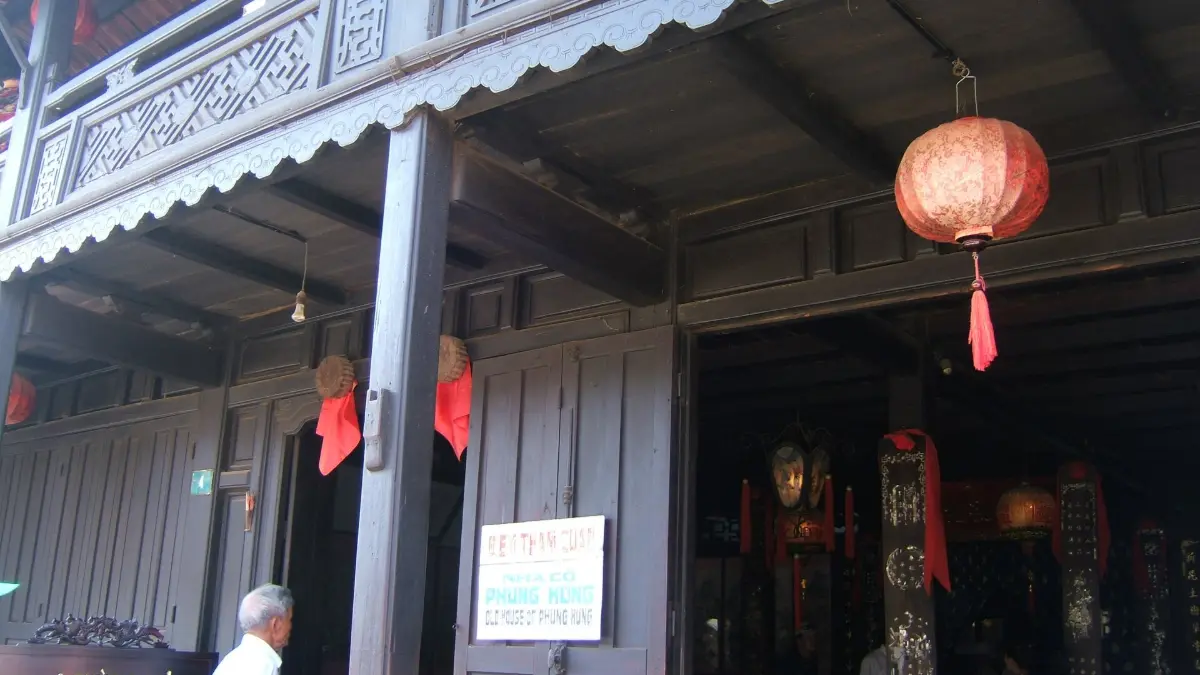
- Choose your five sites wisely: Tan Ky Old House, the Phuc Kien (Fujian) Assembly Hall and the Japanese Covered Bridge are popular choices.
- Most ticketed sites open from about 8:00 until late afternoon or early evening.
- Information is published by the Hoi An heritage authorities on hoianheritage.danang.gov.vn.
The Japanese Covered Bridge was restored from December 2022 to August 2024 and is again the town’s best-known landmark, pictured on the 20,000 VND banknote.
When Are the Hoi An Lantern Nights?
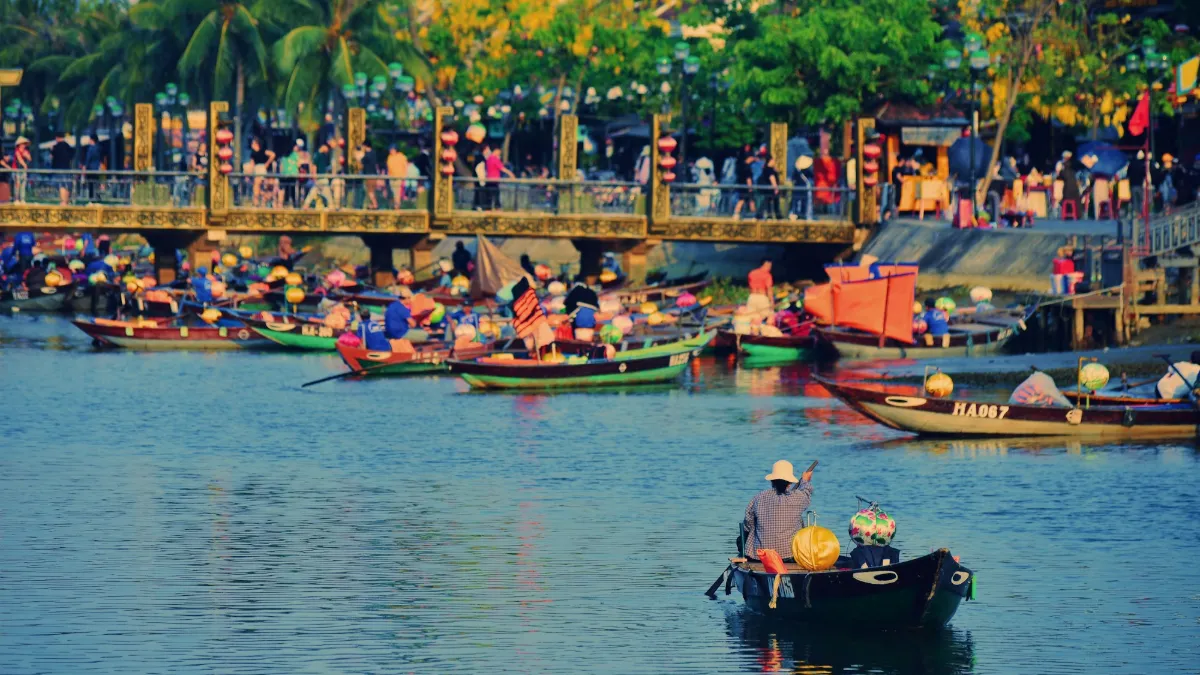
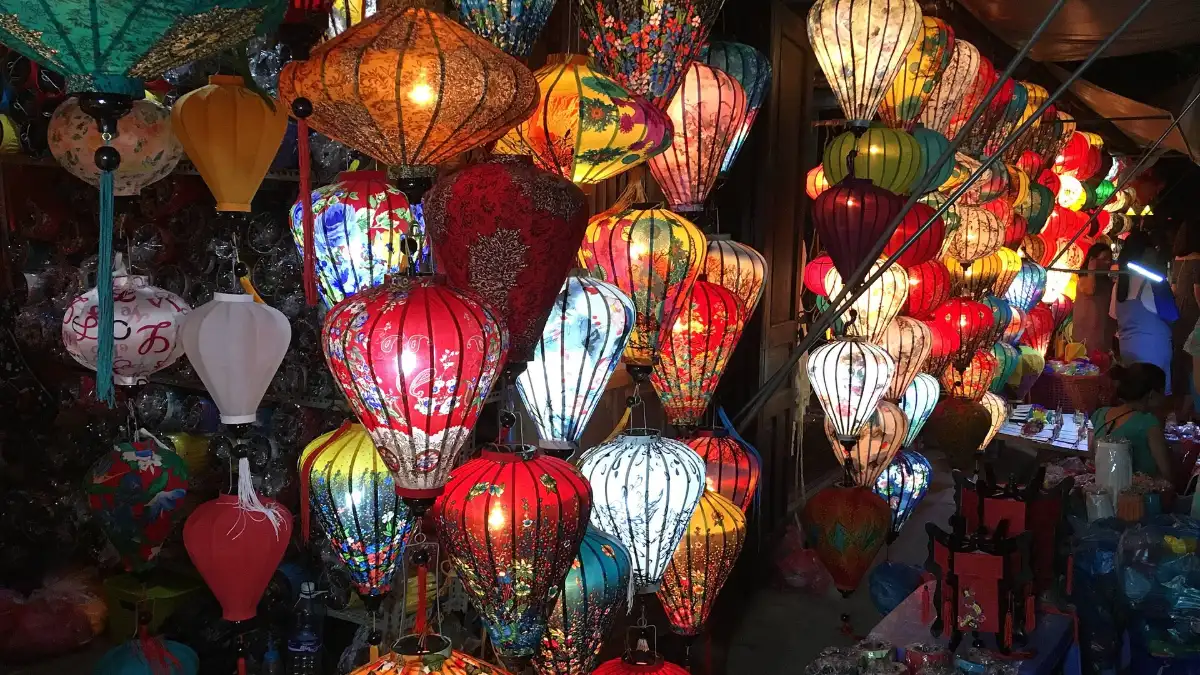
Hoi An’s traditional lantern night is held on the 14th day of each lunar month, the evening before the full moon. Remaining dates in 2026 are 23 October, 22 November and 22 December.
- Lanterns are lit every evening in the old town; on lantern nights some shops dim electric lights and cultural performances take place.
- Releasing a paper lantern on the Hoai River is a popular ritual; small boats charge per boat for a short ride.
- Lantern nights can be cancelled or scaled down during floods and storms.
- Expect larger crowds and higher hotel prices on these evenings.
Do You Need a Visa for Vietnam to Visit Hoi An?
Most travellers need either a visa exemption or an e-visa. Vietnam’s e-visa is valid for up to 90 days (US$25 single entry, US$50 multiple entry) and is applied for on the official portal, evisa.gov.vn.
- Citizens of 24 countries, including the UK, Germany, France, Italy, Spain, Japan and South Korea, can stay up to 45 days visa-free under current resolutions (valid until 2028); check the latest list before travelling.
- Your passport should be valid for at least six months.
- Use only the official e-visa portal: lookalike sites charge extra fees.
How Many Days Do You Need in Hoi An?
Two to three days in Hoi An is ideal. One day covers the main sights of the old town; extra days allow a beach afternoon, a cooking class, cycling through the villages and a trip to My Son or the Cham Islands.
| Stay | Suggested plan |
|---|---|
| 1 day | Ancient Town at sunrise, Tan Ky Old House, Japanese Covered Bridge, Hoi An Market, lantern evening |
| 2 days | Day 1 as above; Day 2 Tra Que village by bicycle, cooking class, An Bang Beach sunset |
| 3 days | Add My Son Sanctuary at dawn or a Cham Islands snorkelling trip (March–August) |
| 4+ days | Add Marble Mountains, Ba Na Hills or a Hai Van Pass drive to Hue |
What Are the Best Things to Do in Hoi An?
Walk the lantern streets of the Ancient Town, see the old houses and assembly halls, cycle to the villages and beaches and take a day trip to My Son.
1. Explore Hoi An Ancient Town
The best-preserved trading port of South-East Asia, with Chinese assembly halls, wooden merchant houses and the riverfront. Go early (6:00–8:00) or after 17:30 for fewer crowds.
2. Cross the Japanese Covered Bridge
The town’s 17th-century landmark, freshly restored. Read more in our Japanese Covered Bridge guide.
3. Visit My Son Sanctuary
My Son Sanctuary, a UNESCO-listed group of Cham temples about 40 km away; the ticket is 150,000 VND for foreign visitors.
4. Island-hop to the Cham Islands
Speedboats reach the Cham Islands in about 15–30 minutes; the visitor fee is 70,000 VND from 10 June 2026. The season runs mainly from March to August.
5. Relax at An Bang Beach
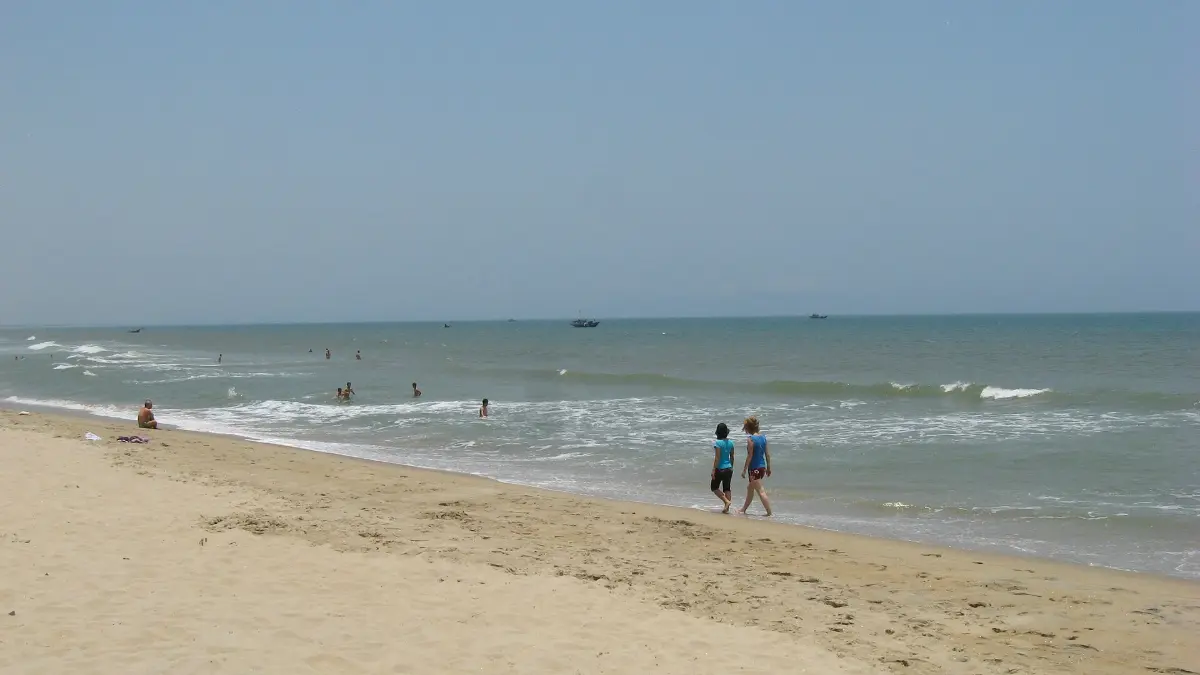
An Bang Beach is about 4 km from the old town, with beach bars and seafood restaurants.
6. Cycle to Tra Que and Cam Thanh
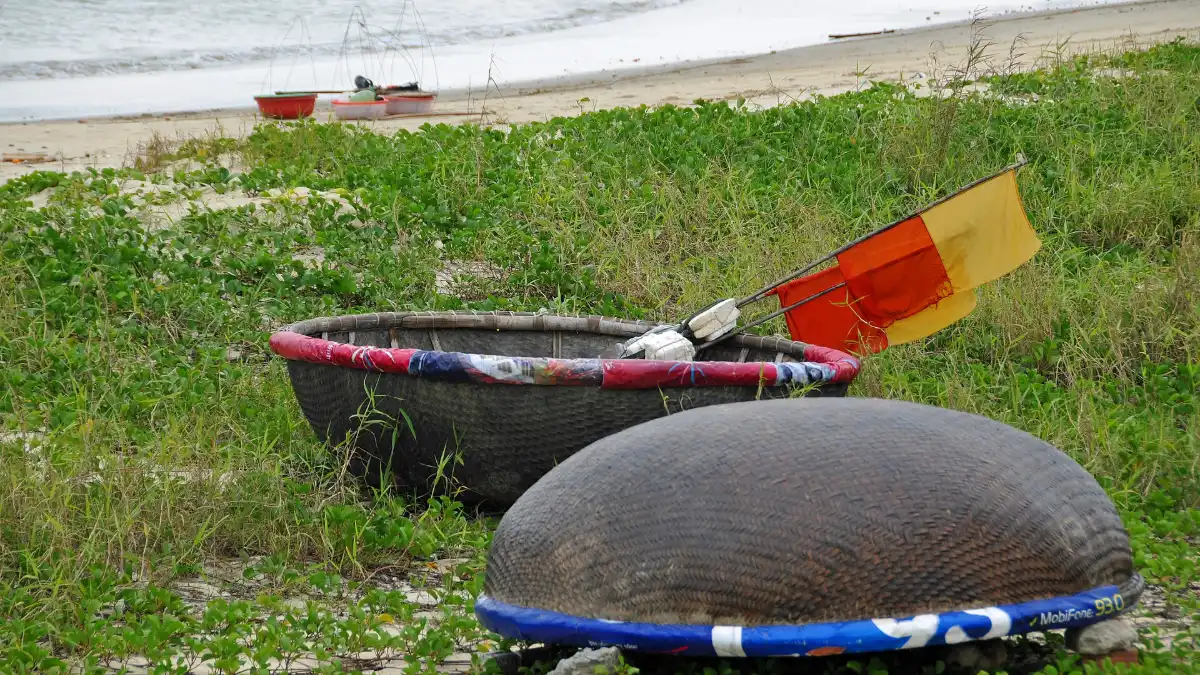
Herb gardens at Tra Que Vegetable Village and basket boats in the Cam Thanh coconut forest make an easy half day.
7. Eat your way around town
Cao lầu, bánh mì and white rose dumplings: our Hoi An food guide lists where to try them.
8. Have clothes tailored
Hoi An has hundreds of tailor shops. Allow 24–72 hours with at least two fittings, agree price and fabric in writing, and pay a deposit rather than the full price.
Money, Cards and Costs in Hoi An
Carry cash for street food, markets and small shops, and use cards or QR payments in hotels, restaurants and larger shops. A comfortable mid-range budget is about 1,500,000–2,500,000 VND (US$60–100) per person per day including a hotel.
- ATMs are plentiful in town; withdrawal fees are usually 20,000–110,000 VND per transaction depending on the bank.
- Visa and Mastercard are widely accepted in hotels and restaurants; some add a 2–3% card fee.
- Exchange money at banks or authorised gold shops, not on the street.
- Shops displaying the VAT refund sign can issue refund invoices for purchases of 2,000,000 VND or more per store per day, claimed at the airport on departure.
- Bargaining is normal in markets and many souvenir shops, but not in restaurants or fixed-price shops.
SIM Cards, eSIMs and Internet in Hoi An
Mobile coverage is good in Hoi An, and Wi-Fi is free in almost every hotel and café. Buy a SIM at Da Nang Airport or an eSIM before you travel.
- Viettel, Vinaphone and MobiFone sell tourist SIMs with data; your passport is required for registration.
- Tourist data packages typically cost about 100,000–300,000 VND for 1–4 weeks.
- Grab, Google Maps and translation apps work well in town.
Is Hoi An Safe for Tourists? Scams to Avoid
Hoi An is one of the safest places in Vietnam for travellers. The main risks are minor overcharging, traffic and floods in the rainy season.
- Boat touts may quote a low price “per person” and then charge more: agree the total for the boat first.
- Photo set-ups with fruit-carrying poles: vendors may ask for money afterwards.
- Buy old-town tickets only at official booths.
- Tailors: never pay the full price before the final fitting.
- Photograph rental motorbikes before riding and do not leave your passport as a deposit.
- Watch your bag in crowded night-market lanes.
- Follow local warnings in flood and storm season and do not wade through flooded streets.
Etiquette and Dress Code in Hoi An
Dress modestly in temples, pagodas and assembly halls (shoulders and knees covered) and be respectful when photographing locals.
- Remove shoes where you see others do so, especially in family altars and some old houses.
- Ask before photographing people, particularly in markets and villages.
- Many old houses are still family homes: keep your voice down and do not touch altars.
- Tipping is not compulsory; about 5–10% or rounding up is appreciated for good service.
- Drones are not allowed over the heritage area without a permit.
Health and Practical Tips for Hoi An
No special vaccinations are required for Hoi An beyond routine ones, but use sun protection and mosquito repellent and drink bottled or filtered water.
- Pharmacies are common; for serious issues, Da Nang has international-standard hospitals 40–60 minutes away.
- Midday heat in May–August can be intense: sightsee early and late and drink plenty of water.
- Travel insurance that covers medical evacuation and weather disruption is strongly recommended.
- Pack light breathable clothes, a rain jacket (September–January), sandals and a scarf for temples.
Festivals and Holidays in Hoi An
The biggest celebrations are Tet (Lunar New Year) and the Mid-Autumn Festival, plus the monthly lantern nights.
- Tet 2027: 6 February 2027. Expect decorations, festive food and some closures during the first days; hotels book out early.
- Mid-Autumn Festival: the 15th day of the 8th lunar month, with lanterns and lion dances.
- Monthly lantern nights: the 14th day of each lunar month.
Local Expert Tips for Visiting Hoi An
These tips come from years of arranging Hoi An tours for international travellers.
- Be in the old town by 6:30 for empty streets and soft light on the yellow walls.
- Rest in the afternoon heat and come back after 17:30 when the lanterns go on.
- Pick your five ticketed sites before you arrive so you do not waste the ticket.
- Visit My Son at opening time to beat both the heat and the tour buses.
- From October to December, keep a spare day and check flood updates each morning.
- Book tailoring on day one so there is time for two or three fittings.
- Use a bicycle for An Bang, Tra Que and Cam Thanh: it is cheaper and more enjoyable than a taxi.
- Combine Hoi An with Hue and Da Nang for a 5–7 day Central Vietnam trip.
Plan Your Hoi An Trip
Start with Hoi An Ancient Town, the Japanese Covered Bridge, Tan Ky Old House and Hoi An Market, then add My Son Sanctuary, the Cham Islands, An Bang Beach and Cua Dai Beach. Our guides on Hoi An transportation, where to stay in Hoi An and Hoi An food cover the practical side, and our Da Nang travel tips and Hue travel tips help you plan the rest of Central Vietnam.
Plan your trip with our Hoi An travel guide and Hoi An tours. Contact Vietnam Tour Expert Team for a free custom itinerary.
Frequently Asked Questions about Hoi An Travel Tips
1. What is the best month to visit Hoi An?
February to April is the best time to visit Hoi An, with warm, mostly dry weather; May to August is hot but sunny and good for beaches.
2. When is flood season in Hoi An?
Hoi An’s flood season is roughly October to December, within the wider September–January rainy season; in late October 2025 floodwater reached 3.4 m, equalling the 1964 record.
3. How much is the Hoi An Ancient Town ticket?
The Hoi An Ancient Town ticket costs 120,000 VND for foreign visitors and 80,000 VND for Vietnamese citizens and includes entry to five heritage sites.
4. When is the next Hoi An lantern night?
Hoi An’s lantern night falls on the 14th day of each lunar month; the remaining 2026 dates are 23 October, 22 November and 22 December.
5. How many days should I spend in Hoi An?
Two to three days in Hoi An is ideal for the old town, a beach, a cooking class and a day trip to My Son or the Cham Islands.
6. Is Hoi An still a city?
No. Since 1 July 2025 Hoi An has been part of Da Nang city, divided into Hoi An, Hoi An Dong and Hoi An Tay wards, with the Cham Islands in Tan Hiep commune.
7. Do I need a visa to visit Hoi An?
Most visitors to Hoi An need a Vietnam e-visa (up to 90 days, US$25 single entry) unless their nationality is on the 45-day visa-exemption list.
8. Is Hoi An safe for tourists?
Yes. Hoi An is very safe; the main issues are minor overcharging by boat touts and tailors, traffic, and floods in the rainy season.
9. Is the Japanese Covered Bridge in Hoi An open?
Yes. The Japanese Covered Bridge in Hoi An reopened in August 2024 after restoration from December 2022; it is one of the sites on the old-town ticket.
10. How much is the ticket to My Son from Hoi An?
The My Son Sanctuary ticket is 150,000 VND for foreign visitors; the site is about 40 km, or 1 hour by car, from Hoi An.
11. How much does it cost to visit the Cham Islands from Hoi An?
The Cham Islands visitor fee is 70,000 VND from 10 June 2026, plus the boat or tour price; speedboats from Hoi An take about 15–30 minutes.
12. Can I swim at Hoi An’s beaches?
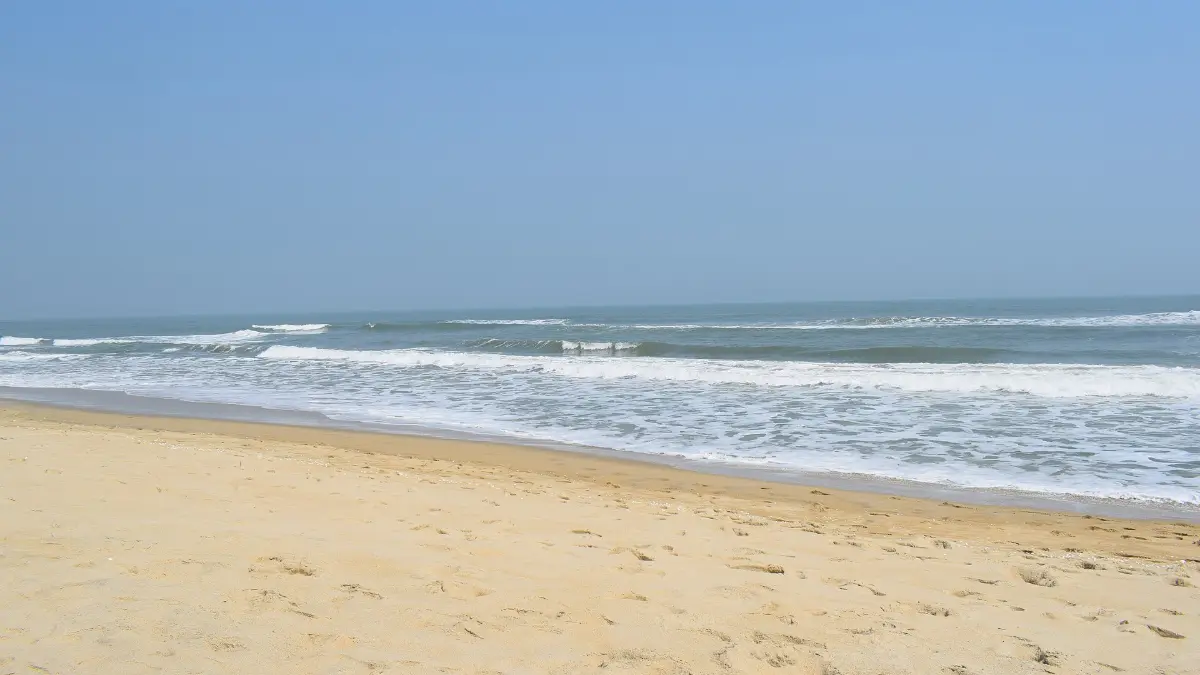
Yes. An Bang Beach near Hoi An is the most popular swimming beach from about March to September; seas are rough from October to December, and Cua Dai has suffered erosion.
13. How long does tailoring take in Hoi An?
Tailoring in Hoi An usually takes 24–72 hours with two or three fittings; agree the price and fabric in writing and pay only a deposit up front.
14. Is Hoi An expensive?
No. Street food in Hoi An costs about 25,000–70,000 VND a dish and a mid-range day budget is about 1,500,000–2,500,000 VND (US$60–100) including a hotel.
15. What should I wear in Hoi An?
Wear light, breathable clothing in Hoi An, but cover shoulders and knees in temples and assembly halls, and pack a rain jacket from September to January.
16. Can I use credit cards in Hoi An?
Cards and QR payments work in most Hoi An hotels and restaurants, but carry cash for street food, markets and small shops.
17. Is Hoi An good for families with children?
Yes. Hoi An’s car-free old town, flat cycling routes, beaches and cooking classes suit families; villas in Cam Thanh offer extra space.
18. How do I get to Hoi An?
Fly to Da Nang International Airport, then drive about 40–60 minutes to Hoi An; see our Hoi An transportation guide for all options.
Related Posts

Where to Stay in Hoi An: Best Areas & Hotels by Budget
Hoi An Transportation: Da Nang Airport, Hue & Getting Around

Hoi An Food Guide: Cao Lau, Banh Mi & Where to Eat
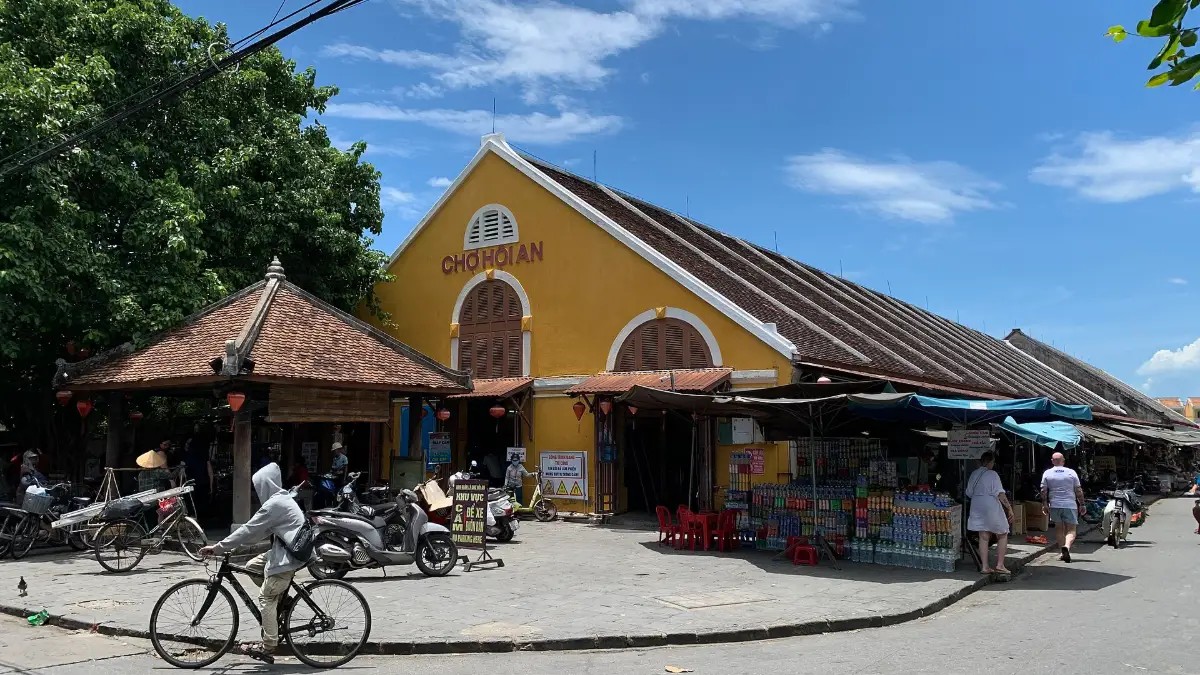
Hoi An Market: Local Life & Street Food in the Old Town

Thanh Ha Pottery Village Hoi An: 500-Year Craft & Tickets