My Son Sanctuary: UNESCO Cham Temples Near Hoi An (2026)
My Son Sanctuary (Thánh địa Mỹ Sơn) is a valley of ruined Hindu tower-temples built by the Champa kingdom between the 4th and 13th centuries, about 45 km west of Hoi An and 68 km from Da Nang. A UNESCO World Heritage Site since 1999, it was Champa’s main religious centre. Tickets cost 150,000 VND for foreign visitors.
Status (checked October 2026): open daily as normal. My Son is now in Thu Bon commune, Da Nang city (formerly Duy Phu commune, Duy Xuyen district, Quang Nam province). The ticket is 150,000 VND for foreigners and 100,000 VND for Vietnamese visitors, with children aged 5–15 at 30,000 VND, and it covers the electric shuttle, the site museum and the Cham folk dance shows. A rise to 250,000 VND proposed in early 2026 had not taken effect as of October 2026, when the official ticket site still listed 150,000 VND. Some towers are fenced off for restoration.
Why My Son Sanctuary is worth seeing:
- UNESCO World Heritage Site: listed in 1999 as a unique example of Champa culture and its links with Indian Hinduism.
- Nine centuries of building: temples from the 4th to the 13th century in one jungle valley.
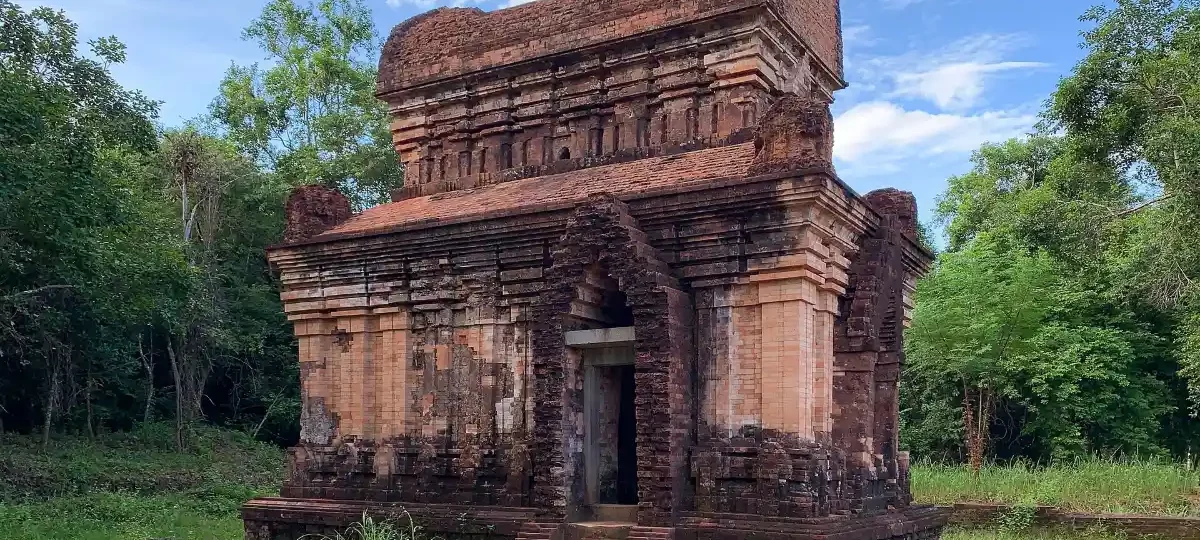
- Mysterious brickwork: fired-brick towers fitted so tightly that how they were bonded is still debated.
- Restored by India and Vietnam: groups A, H and K were restored with Indian experts in 2017–2022.
- Cham dance performances: traditional music and dance included with your ticket.
- A powerful war story: bomb craters and the ruined A1 tower show the damage of 1969.
My Son Sanctuary at a Glance
| Vietnamese name | Thánh địa Mỹ Sơn (Khu đền tháp Mỹ Sơn) |
|---|---|
| Location | My Son village, Thu Bon commune, Da Nang city (formerly Duy Xuyen district, Quang Nam province) |
| Distance | About 45 km from Hoi An Ancient Town (about 1 hour), 68 km from central Da Nang (1.5 hours), 145 km from Hue |
| Known for | Champa Hindu tower-temples dedicated mainly to Shiva, sandstone carvings, Cham dance |
| Recognition | UNESCO World Heritage Site (1999, ref. 949) |
| Size | Property 142 ha, buffer zone 920 ha; 71 monuments recorded in 8 main groups |
| Opening hours | Daily from 6:00; ticket sales close at 17:30 and visitors must leave by 18:00 |
| Entrance fee | 150,000 VND foreigners; 100,000 VND Vietnamese; 30,000 VND children aged 5–15 (includes electric shuttle and Cham dance show) |
| Time needed | 2–3 hours on site; half a day from Hoi An |
| Best time | February–April; arrive at opening time (6:00–7:00) or after 15:00 |
| Nearby | Tra Kieu (ancient Simhapura), Thu Bon River, Hoi An, Museum of Cham Sculpture in Da Nang |
| Find it | Google Maps · Tripadvisor · Official website · UNESCO |
Is My Son Sanctuary Worth Visiting?
Yes, if you are interested in history and archaeology, it is the most important ancient site in Central Vietnam. Do not expect another Angkor: the towers are smaller and many are ruined. What makes My Son special is its setting in a green valley ringed by mountains, its age and the craftsmanship of the surviving towers. It is an easy half-day trip from Hoi An Ancient Town.
- Best for: history and culture lovers, photographers, travellers who have seen Angkor or Bagan and want to compare.
- Skip if: you dislike heat and ruins, or have only one day in Hoi An.
- Short on time: focus on groups B, C and D (the best-preserved), then the restored groups A and H and the Cham dance show.
History of My Son Sanctuary
The holy valley of Champa
The Champa kingdom ruled much of central and southern Vietnam from the 2nd to the 17th century. Its early capital, Simhapura (today’s Tra Kieu), lay downstream on the Thu Bon River, and My Son was its sacred valley. In the late 4th century King Bhadravarman built the first temple here to Shiva as Bhadresvara. Wooden temples burned and were replaced from the 7th century onward by brick towers, and kings kept building and rebuilding until the 13th century.
Hinduism and Champa art
Most temples honour Shiva, often in the form of a linga, with some dedicated to Krishna and Vishnu. The site shows the influence of Indian Hinduism adapted to local beliefs, and art historians name whole styles after it, such as the 8th-century My Son E1 style and the 10th-century My Son A1 style. Wikipedia gives a detailed overview of the groups and styles.
Rediscovery and war damage
After Champa’s decline the valley was overgrown by forest. The Frenchman Camille Paris rediscovered it in 1898, and from 1899 Henri Parmentier of the French School of the Far East recorded 71 monuments and labelled them in groups (A, A’, B, C, D, E, F, G, H, K and others). During the Vietnam War the area was heavily bombed; in August 1969 the great A1 tower, considered Champa’s masterpiece, was largely destroyed.
Restoration
Restoration began in the 1980s with Polish experts and has continued with international partners. Under an India–Vietnam agreement, the Archaeological Survey of India restored groups A, H and K between 2017 and 2022. In 2026 work continues on groups E and F with Indian support and on group L with Italian partners.
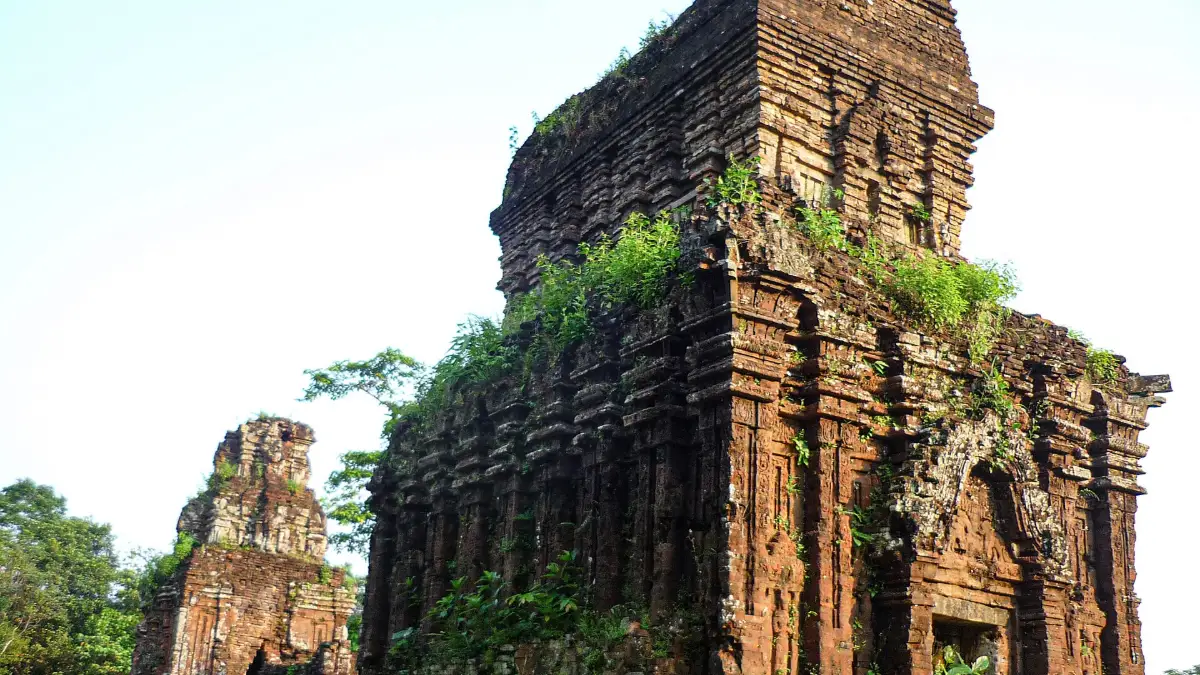
What to See at My Son Sanctuary
1. Groups B, C and D: the heart of the site
These groups hold the best-preserved towers. C1, a main temple, and the surrounding structures show finely carved brick, sandstone decoration and statues. The long halls of group D now house small displays of sculpture, lingas and altars.
2. Groups A and A’
Once dominated by the great A1 tower, this area is now a field of rubble after the 1969 bombing, partly reconstructed by the Indian restoration team. It is a moving reminder of what was lost.
3. Groups H and K
Restored with Indian experts, group K near the entrance path and group H on the hill show how the towers looked when they were consolidated.
4. Group G
Built in the 12th century in the later Binh Dinh style, group G stands on a hill and is one of the venues for Cham dance performances.
5. Groups E and F
Some of the oldest surviving work, including the 8th-century E1 style, is here. The famous E1 altar pedestal is now in the Museum of Cham Sculpture in Da Nang; parts of these groups are under restoration in 2026.
6. Bomb craters and the valley
Walking between groups you pass bomb craters from the war, now grassy hollows, and views of the Cat’s Tooth mountain (Mahaparvata) rising over the valley.
7. Cham dance and music
Cham artists perform traditional dance and music several times a day at the performance house near the entrance and at group G, usually from mid-morning and again in the afternoon (outdoor shows may be cancelled in bad weather).
8. The exhibition hall
An exhibition building near the entrance introduces Champa history and the restoration of the site; see it first for context.
My Son Sanctuary Tickets and Opening Hours (2026)
| Item | Price / hours | Notes |
|---|---|---|
| Foreign visitors | 150,000 VND (about US$5.50–6) | Includes site entry, the electric shuttle, the My Son Museum and the Cham folk dance shows |
| Vietnamese visitors | 100,000 VND | Same inclusions |
| Children aged 5–15 | 30,000 VND | Same inclusions; younger children free |
| On-site guide (optional) | 100,000 VND per guide ticket | One ticket covers 1–5 visitors; book at the shuttle stop |
| Opening hours | Daily, from 6:00 | Ticket sales close at 17:30; site closes 18:00 |
| Cham dance shows | Several times daily | Mid-morning and afternoon; check times at the ticket office |
Prices are set by the My Son World Heritage Management Board; check the official My Son Sanctuary website for the latest ticket price, opening hours and show schedule. Tickets can also be bought online through the official ticket system linked there.
How to Visit My Son Sanctuary, Step by Step
- Leave Hoi An early (about 5:30–6:30) to arrive as the site opens.
- Buy tickets at the ticket office and visit the exhibition hall.
- Take the electric buggy from the entrance area towards the temples, then walk.
- Start with groups K, B, C and D, then A and the hill groups G and H.
- Watch a Cham dance show before you leave.
- Return to Hoi An by road, or by boat down the Thu Bon River on some tours.
Rules and Etiquette at My Son Sanctuary
- Do not climb on towers, walls or carvings; stay on marked paths.
- Never leave the paths in the outer zone: unexploded ordnance remains a risk in the wider area.
- Dress respectfully; some lingas and altars are still sacred to the Cham people.
- Drones need permission.
How to Get to My Son Sanctuary
| From | How | Time |
|---|---|---|
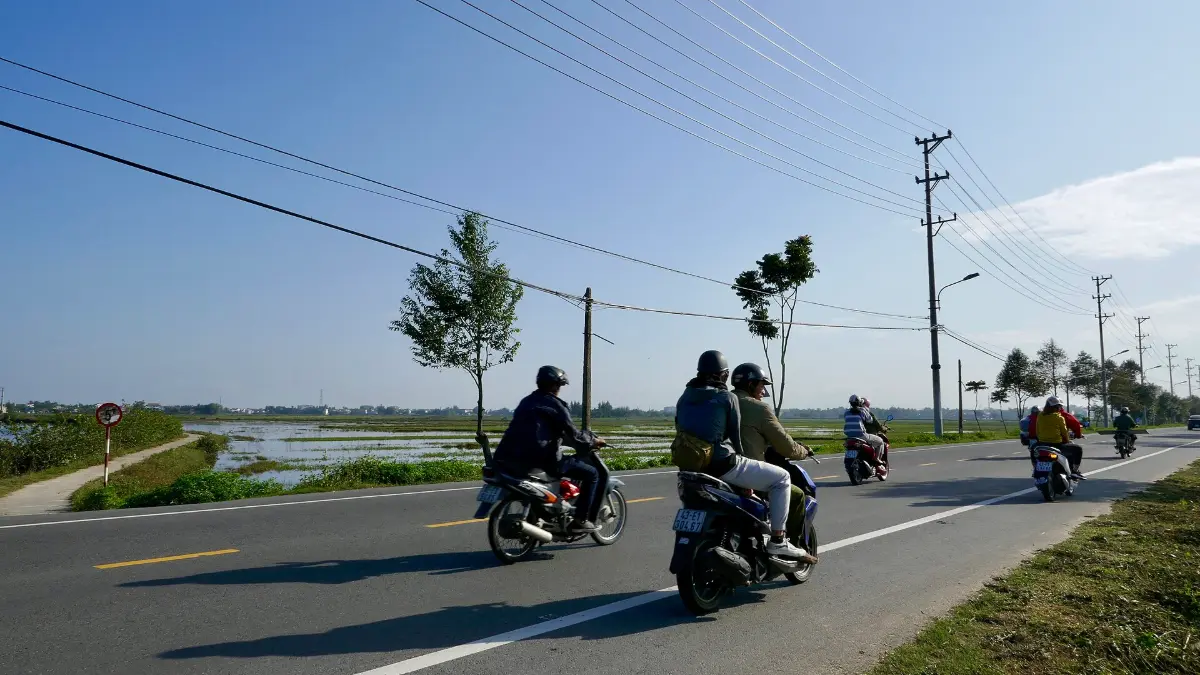
| Hoi An | Private car, taxi or Grab; shared tour bus; motorbike | About 1 hour (45 km) |
| Hoi An | Tour by road out and boat back on the Thu Bon River | Half day |
| Da Nang city | Private car or tour | About 1.5 hours (68 km) |
| Hue | Private car via Da Nang | About 3.5–4 hours (145 km) |
There is no regular public bus that is practical for visitors. See our Hoi An transportation guide and Da Nang transport guide.
Best Time to Visit My Son Sanctuary
| When | What to expect |
|---|---|
| February–April | Best season: dry, green and not yet too hot |
| May–August | Very hot in the valley; visit at opening time |
| September–December | Rainy season; paths can be muddy and storms may close the site briefly |
| 6:00–8:30 | Cool, misty light and few visitors |
| After 15:00 | Quieter again, softer light |
Local Expert Tips for My Son Sanctuary
These tips come from years of arranging Hoi An tours for international travellers.
- A good guide makes a huge difference here: the stories behind the ruins are what bring them to life.
- Bring a hat, sunscreen, insect repellent and water; there is little shade between groups.
- Visit the Museum of Cham Sculpture in Da Nang before or after to see the finest carvings from My Son.
- Choose a sunrise visit to avoid tour buses that arrive from about 9:00.
- Combine with lunch in Hoi An and an afternoon at An Bang Beach.
My Son Sanctuary vs Po Nagar Cham Towers
| Feature | My Son Sanctuary | Po Nagar Cham Towers |
|---|---|---|
| Location | Jungle valley 45 km from Hoi An | Hill in Nha Trang city |
| Status | UNESCO World Heritage Site, largely ruined | Well-preserved towers, still an active temple |
| Scale | 71 recorded monuments in many groups | A small group of towers |
| Time needed | 2–3 hours plus travel | About 1 hour |
Our view: My Son is the more important and atmospheric site; Po Nagar is easier to visit and shows Cham worship still alive. On a Central Vietnam trip, My Son is the one not to miss.
Nearby Attractions
- Hoi An Ancient Town: the UNESCO-listed trading port, 45 km away.
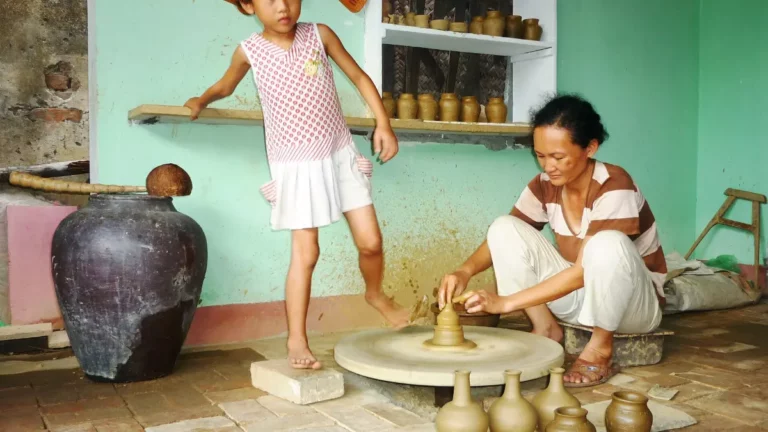
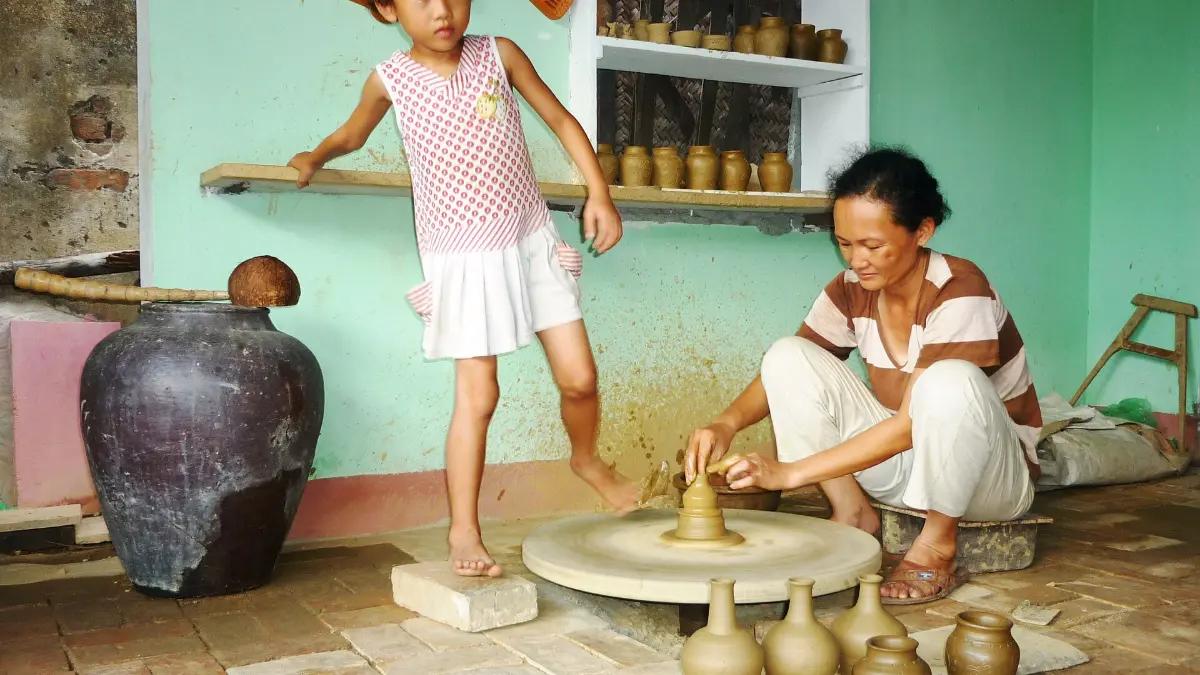
- Thanh Ha Pottery Village: on the way back to Hoi An.
- Museum of Cham Sculpture: the world’s largest collection of Cham art, in Da Nang.
- Marble Mountains: caves and pagodas between Hoi An and Da Nang.
- Bay Mau Coconut Forest: an easy afternoon add-on near Hoi An.
Sightseeing around Hoi An for First-Time Visitors: Where My Son Sanctuary Fits
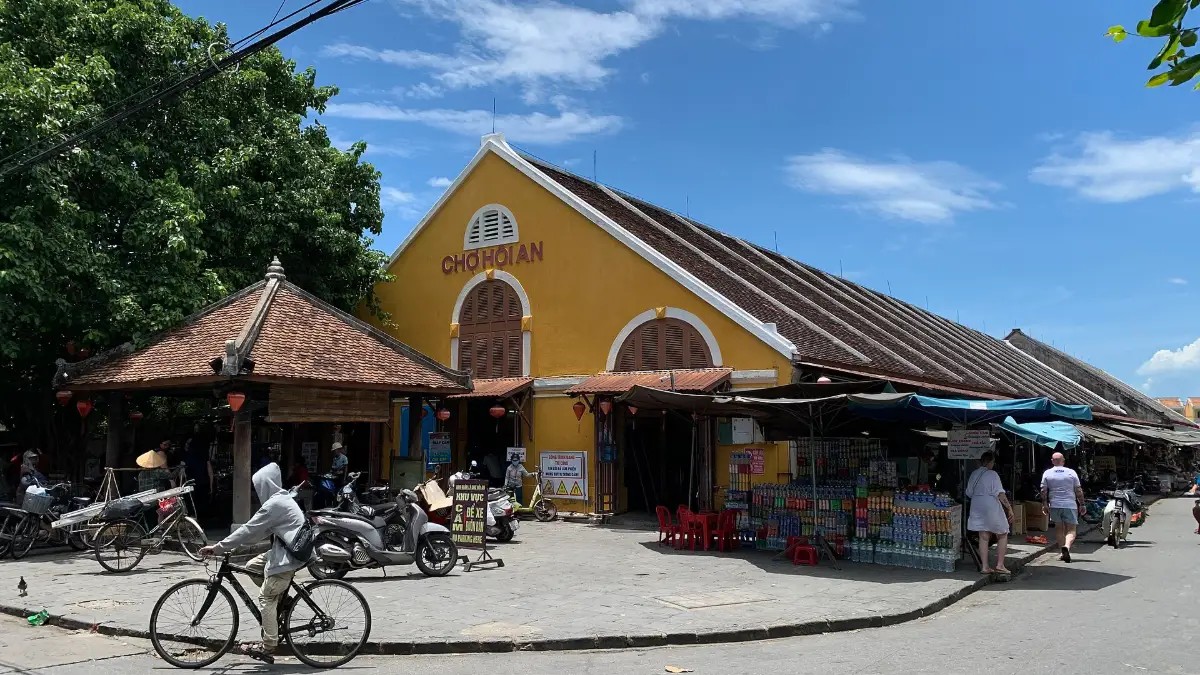
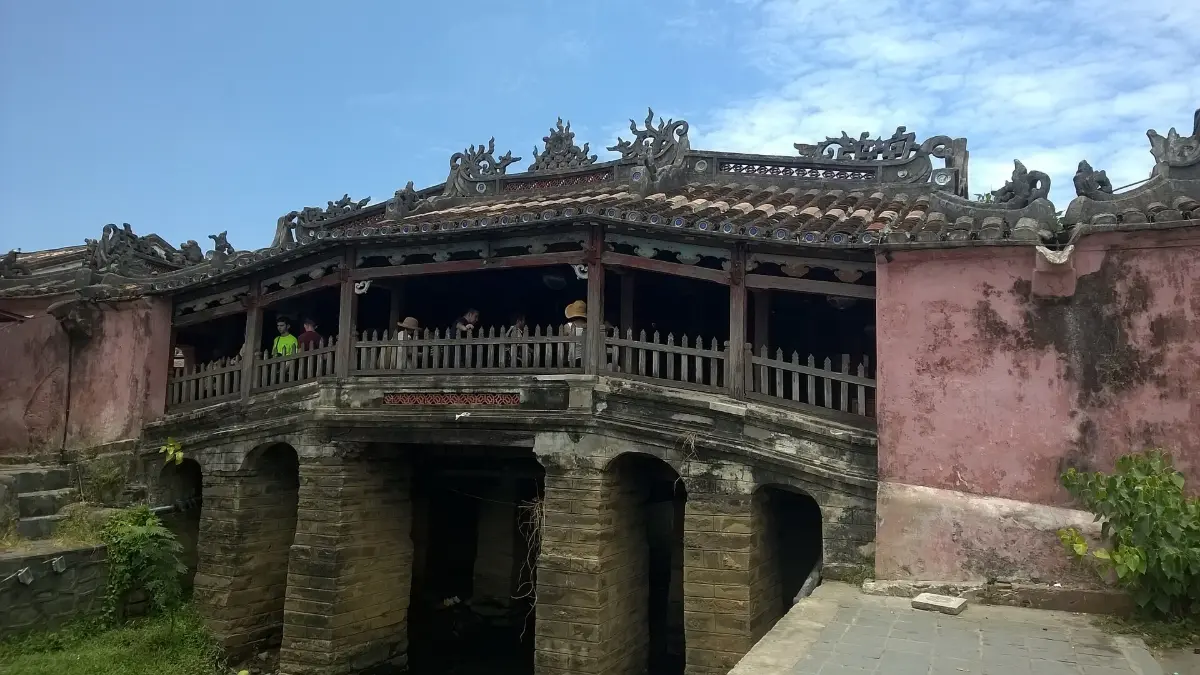
With two or three days in Hoi An, give My Son an early morning: back by lunch, then explore the Japanese Covered Bridge and old houses later in the afternoon. Staying in Da Nang? Combine My Son with Hoi An in one long day, or see our Da Nang destination guide.
Plan your trip with our Hoi An travel guide and Hoi An and My Son tours. Contact Vietnam Tour Expert Team for a free custom itinerary.
Frequently Asked Questions about My Son Sanctuary
1. What is My Son Sanctuary?
My Son Sanctuary is a valley of Hindu tower-temples built by the Champa kingdom from the 4th to the 13th century, listed by UNESCO in 1999.
2. Where is My Son Sanctuary?
My Son Sanctuary is in Thu Bon commune, Da Nang city (formerly Duy Xuyen district, Quang Nam province), about 45 km west of Hoi An.
3. How much is the My Son Sanctuary ticket in 2026?
The My Son Sanctuary ticket is 150,000 VND for foreign visitors and 100,000 VND for Vietnamese, and 30,000 VND for children aged 5–15; it includes the electric shuttle, the site museum and the Cham folk dance shows. A proposed rise to 250,000 VND had not taken effect as of October 2026.
4. What are the opening hours of My Son Sanctuary?
My Son Sanctuary opens daily at 6:00, and ticket sales close at 17:30 and visitors must leave by 18:00.
5. How far is My Son Sanctuary from Hoi An?
My Son Sanctuary is about 45 km from Hoi An, roughly one hour by car.
6. How far is My Son Sanctuary from Da Nang?
My Son Sanctuary is about 68 km from central Da Nang, around 1.5 hours by car.
7. How long do I need at My Son Sanctuary?
Plan 2–3 hours at My Son Sanctuary, or half a day including travel from Hoi An.
8. Is My Son Sanctuary worth visiting?
Yes, My Son Sanctuary is the most important Champa site in Vietnam and rewarding for history lovers, though many towers are ruined.
9. Is My Son Sanctuary like Angkor Wat?
My Son Sanctuary is much smaller and more ruined than Angkor, but older in its origins and set in a beautiful jungle valley.
10. What is the best time to visit My Son Sanctuary?
Visit My Son Sanctuary between February and April, ideally at opening time or after 15:00 to avoid heat and crowds.
11. Who built My Son Sanctuary?
The kings of Champa built My Son Sanctuary, beginning with King Bhadravarman in the late 4th century.
12. Was My Son Sanctuary damaged in the Vietnam War?
Yes, My Son Sanctuary was heavily bombed; in August 1969 the great A1 tower was largely destroyed.
13. Are there Cham dance shows at My Son Sanctuary?
Yes, Cham dance and music shows are held several times a day at My Son Sanctuary and are included in the ticket.
14. Can I visit My Son Sanctuary at sunrise?
The site opens at about 6:00, so an early start from Hoi An lets you reach My Son Sanctuary in the cool morning light.
15. Which groups should I see at My Son Sanctuary?
At My Son Sanctuary prioritise groups B, C and D, then the restored groups A, H and K and group G on the hill.
16. Can I go to My Son Sanctuary by boat?
Some tours go to My Son Sanctuary by road and return to Hoi An by boat along the Thu Bon River.
17. Is there a dress code at My Son Sanctuary?
There is no strict dress code at My Son Sanctuary, but wear respectful clothing, a hat and good walking shoes.
18. Where can I see sculptures from My Son Sanctuary?
Many of the finest carvings from My Son Sanctuary are in the Museum of Cham Sculpture in Da Nang.
Related Posts
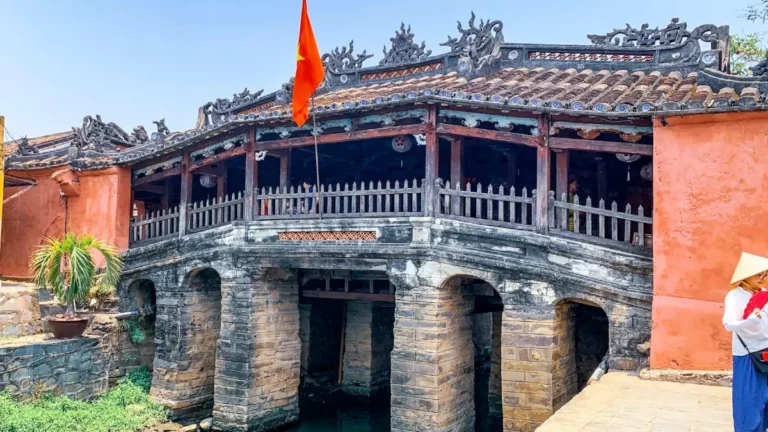
Hoi An Travel Tips 2026: Best Time, Lantern Nights & Tickets
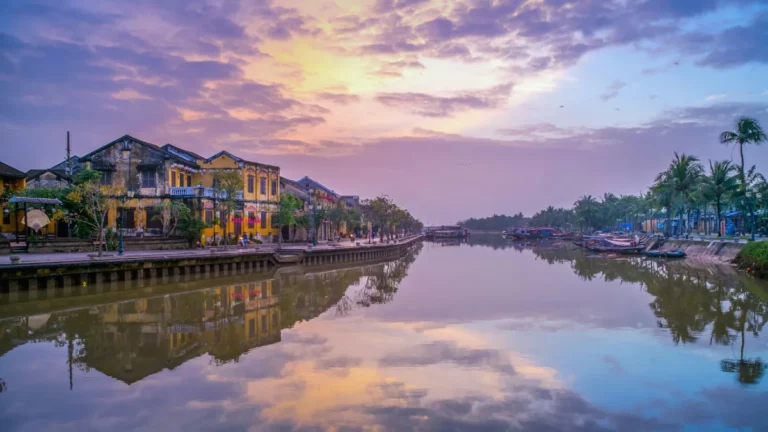
Where to Stay in Hoi An: Best Areas & Hotels by Budget
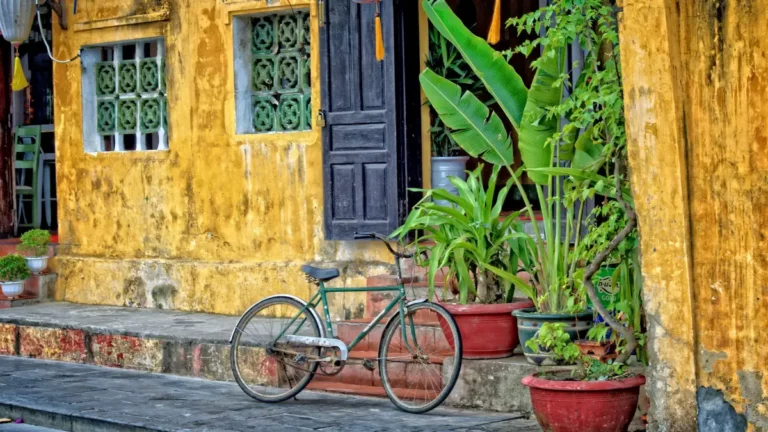
Hoi An Transportation: Da Nang Airport, Hue & Getting Around

Hoi An Food Guide: Cao Lau, Banh Mi & Where to Eat
Hoi An Market: Local Life & Street Food in the Old Town